


I remember visiting Kensington Market in Toronto with friends as a teen. We scoured the second-hand shops like Courage My Love, a hotspot for incredible finds. We could get our Madonna-style lace gloves, stockings, costume jewellery and dresses for mere dollars. It was always easy to get our hands on preloved denim jackets at the shops so we could reconstruct them and resell them as one of a kind fashion statement pieces. Now, years later, it’s still fun to see how second-hand shopping (aka “thrifting”) has evolved and expanded beyond the core of the city.
According to the Thread Up 2024 report, the global second-hand apparel market is set to reach $350 Billion (US) by 2028. That is, 3 times faster on average more than the global apparel market place overall. And we’re seeing it transcend generations. Not only that, the market is not limited to any particular income either.
However, the purpose of appeal of second-hand shopping is interesting. We all don’t thrift for the same reasons. The 2024 report breaks down the categories:
The Digital Savvy Individualist: Gen Z (ages 18 to 26)
Shopping Habits: 51% prefer second-hand shopping online vs in-person at a store. And they enjoy online live stream shopping.
Why They Shop: they shop second hand to express their individuality more than any other generation.
The Eco-Conscious Family Planner: Millennials (ages 17 – 42)
Shopping Habits: 55% prefer to shop second-hand online vs in-person at a store. Their #1 online destination is a managed marketplace.
Why They Shop: they are more likely to outfit their family more than any other generation.
The In-Store Treasure Hunter: Gen X (42 to 58)
Shopping Habits: 69% prefer to buy second-hand in a store than online.
Why They Shop: they are more likely to buy second-hand to afford higher-end brands than any other generation.
The Experienced Thrift Enthusiast: Baby Boomers, Silent (ages 49+)
Shopping Habits: 82% prefer to buy in person rather than online.
Why They Shop: They are more likely to shop for the thrill of the hunt and to get better deals than any other generation.
So, what are the driving influences?
According to the study, it’s not about trends but individuality. And many are turning away from fast fashion retailers that don’t have sustainable practices. And, with the cost of living and inflation on the rise, second-hand apparel has become a much more accessible way to shop. Plus, hey, the thrill of finding some cool finds is fun! But the top 5 reasons why people are turning to thrifting are;
- Value
- Quality
- Selection
- Convenience
- Transparency
Resale Value in Purchasing Decisions:
With the increase use of online markets such as Poshmark, and Facebook Marketplace, consumers are also considering resale value when it comes to purchasing decisions. We saw this early on in the branded sneaker and handbag categories. But it’s now trickled into other areas – special occasion dresses, outerwear, and it appears that nothing is off the table.
The report mentioned that a whopping 82% of Gen Z has considered the resale value of apparel even before purchasing.
Retailers are cashing in too!
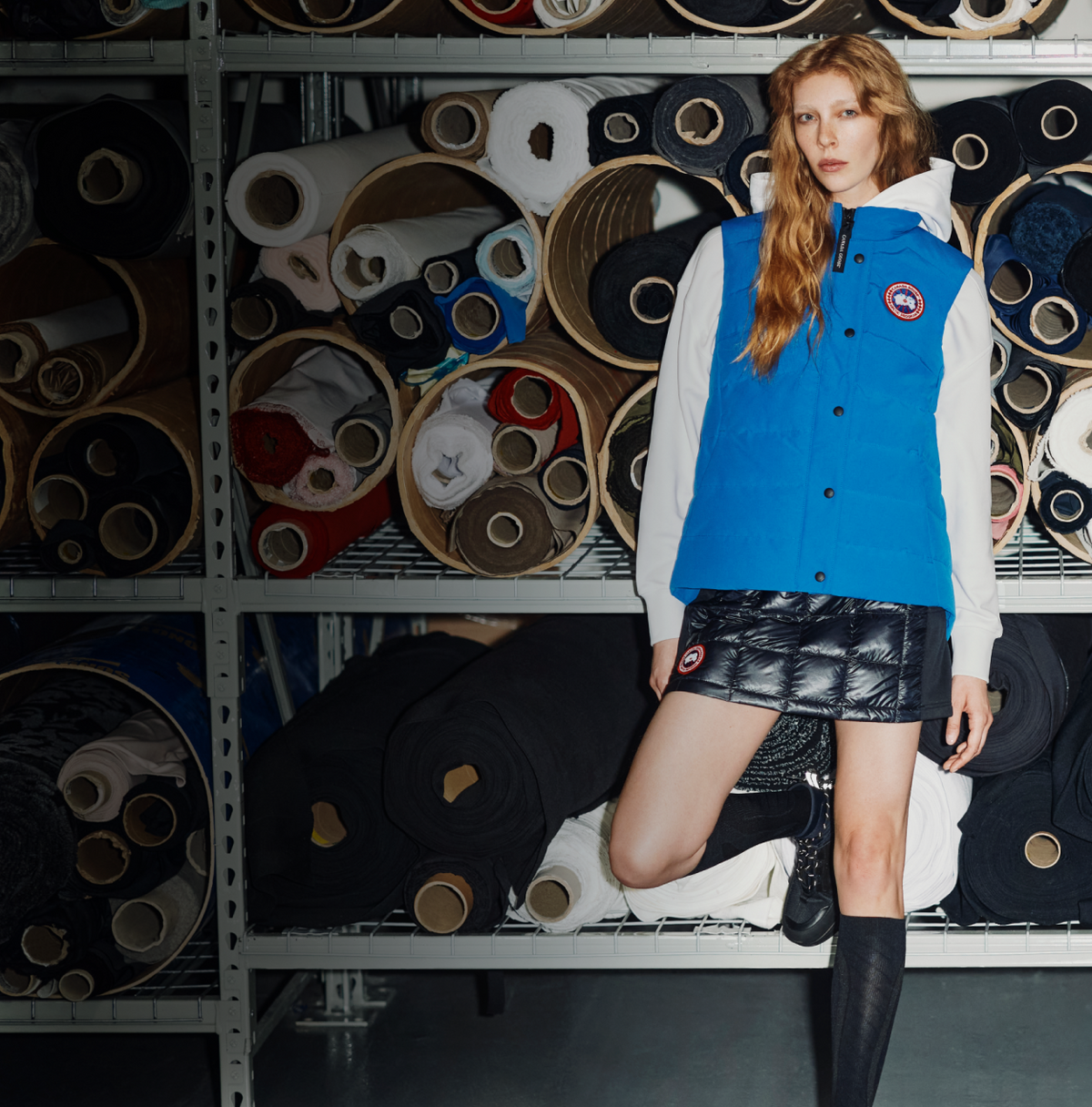
It’s interesting to watch the rise of retailers also jumping in on the resale marketplace or “recommerce” space. Bonus points for consumers looking at a brand’s sustainable practices. It also builds future relationships with consumers interested in resale value of their new purchases. But for the brand, or retailer, this means they have better control of their own products and will often even provided extended warranties.
I recently learned about Canada Goose Generations, a resale site that aims to keep the brand’s high quality outerwear and garments circulating. Vintage items and Trade-in also available. You can learn more here.
Other brand that have launched resale programs include Kate Spade, JCrew, Lululemon Athletica, Patagonia, The North Face, Levi’s, Carhartt, Maje, Sandro, DVF, and BA&SH. A list an be found here.
Second-hand Swapping Party:
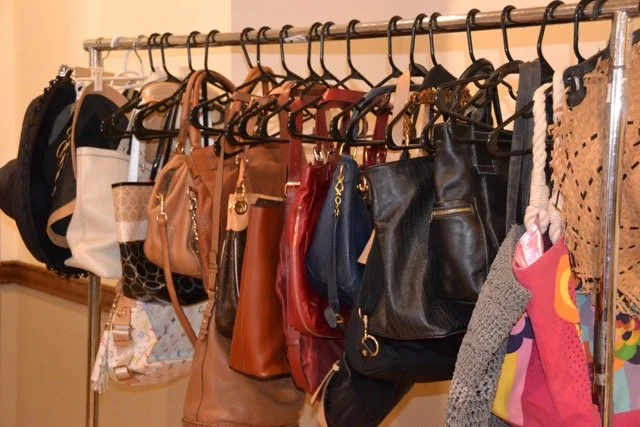
Many of us are exploring ways we can be more sustainable in our own everyday lives. We’re more conscious of our choices. Shopping second-hand has become more mainstream and even “clothes swapping” parties amongst friends are becoming a coveted fun night in.
I was inspired by a local community event called “She Shop Swap“. Women would donate their unwanted but great quality apparel and accessories in exchange for a ticket. One item equated to one ticket that they could in turn “shop” for a new item. By the way, the next event is coming up on January 28 in Toronto (Leaside). Follow their IG for updates.
I began small with inviting a group of close friends to my home. I provided the wine and snacks. Since it was so small, it was understood that you brought your unwanted items with the intention of letting them go. There were no limits placed on what you could bring…or take home. One friend, a model brought apparel and accessories that were gifted to her or accumulated from photoshoots. Another friend brought an incredible selection of costume jewellery – each could be treated as unique pieces of art.
At the end of the night, everyone had the option to bring back what didn’t get selected or have the items donated to a charity of the group’s choice. At the end of the night we had a blast and felt good knowing we were able to score some incredible pieces between us.
Tips on Saving Our Closet:
During the holiday break, I did a thorough overhaul of my closet. Made my piles staring with my keepers (obviously). Then, one for my sister. One to donate to Value Village. One that had items that I still love but could refresh. Which brought our family conversation to whatever happened to people repairing their favourite items to give them more life?
Pilled Sweaters can easily be cleaned up with a Defuzzer. I’ve had a battery operated one forever and it helps to gently and safely remove pilling, lint, and unwanted fuzz to refresh any sweater (even cashmere). I found this Conair Fabric Defuzzer recently that is battery-operated and lightweight that is an affordable option.
Holes in sweaters? Cloth moths (actually their larvae) love natural fibre clothing and blankets (cashmere, wool, silks). Their breeding season is between March and September. You don’t need to use mothballs like previous generations to keep them away but you can take some preventative measures. Start with a good cleaning of wardrobes, drawers, closets, and cupboards by wiping down surfaces and vacuuming crevices. Dry clean your items and store in vacuum sealed storage bags are best.
You can also have a local alterationist help with repairing holes. I also discovered Uniqlo has an in-store service at designated locations. RE.Uniqlo with dedicated staff to repair minor holes and rips for a small fee as part of the brand’s commitment to sustainability.
If you’ve never taken a sewing class in school, you can still learn the basics to mending and altering your own clothes. We found places like The Neon Needle (Koreatown, Toronto) that offer expert guided classes for all levels. Learn everything from hemming, tapering, patching techniques, stitching holes, and much more. This class teaches the tips, tricks, and hacks from this experienced tailor shop.
Invest in good shoe and boot shapers to keep the smoothness and shape longer! When you have great leather shoes they will last you a long time if you take care of them! Use shapers, Cedar made shoe trees are often most preferred for their natural ability to draw out moisture and help to eliminate odour as well.
Don’t toss out a perfectly good pair of shoes or boots because you’ve worn down the heels. Take them to a shoe repair to have the heels replaced to add additional years. You can find local independents or go for a chain like Moneysworth & Best.
Also, remember to protect your leather and suede shoes and boots with salt and stain repellent – our city streets in the winter don’t play nice.
Shows to Watch:
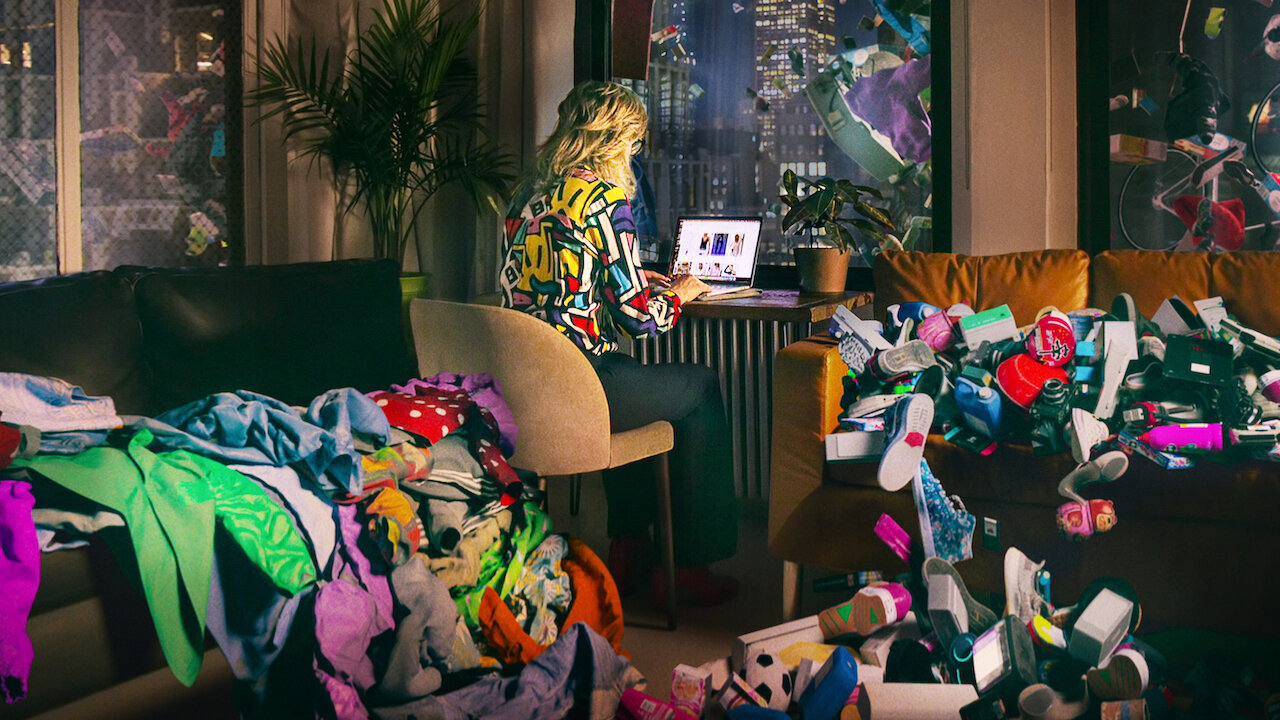
Buy Now: The Shopping Conspiracy (Netflix Canada) is an interesting documentary about how some of the world’s top brands keep us shopping. Their tactics and strategies reveal a lot about the addiction of shopping.
The Minimalists: Less is Now (Netflix Canada) asks if we can live better with less? How much stuff do we need? And does this stuff better our live? What we are binging?
*I snapped this lead in photo that was from the incredible at the Vintage Show in Toronto