


Weddings are joyous occasions filled with love, celebration, and traditions. Among these traditions are superstitions that have been passed down through generations. These beliefs, whether taken seriously or not, add a layer of magic to the wedding festivities. Here are some of the most common wedding superstitions that are still carried out today…but perhaps with updated meanings!
Something Old, Something New, Something Borrowed, Something Blue
One of the most well-known wedding superstitions is the Old English rhyme that dates back to the Victorian Era: “Something old, something new, something borrowed, something blue, and a silver sixpence in her shoe.” Each item in this rhyme represents good-luck for the bride:
- Something Old: Represents continuity, a connection to the bride’s past and her family. It symbolizes the bride’s life before marriage and the importance of keeping family ties.
- Something New: Signifies optimism and hope for the future. It represents the new life the bride is about to start with her partner, filled with happiness and prosperity.
- Something Borrowed: Usually, something borrowed from a happily married friend or family member, it is meant to bring good luck. It also symbolizes borrowed happiness and reminds the bride that she has the support of loved ones.
- Something Blue: The color blue has been associated with weddings for centuries, symbolizing purity, love, and fidelity. In ancient Rome, brides wore blue to symbolize love, modesty, and fidelity.
- A silver sixpence (coin) in her shoe is a symbol of prosperity.
Seeing the Bride Before the Wedding
We all hear that it’s considered bad luck for the groom to see the bride in her wedding dress before the ceremony. This superstition dates back to the time when arranged marriages were common.
Families feared that if the groom saw the bride before the ceremony and found her unattractive or undesirable, he might call off the wedding. This would not only embarrass the bride and her family but also disrupt carefully planned partnerships and agreements. Yes, weddings may have sound more transactional. To prevent such a scenario, brides were kept hidden from their grooms until the last possible moment.
Today, the tradition is more about the element of surprise, anticipation and excitement. The moment when the groom first sees his bride walking down the aisle is now considered one of the most emotional and memorable parts of the ceremony.

Rain on Your Wedding Day
While some may view rain on a wedding day as a bad omen, many cultures believe it to be a sign of good luck.
The idea that rain on a wedding day is auspicious is deeply connected to ancient agricultural societies, where rain was viewed as a life-giving force. For these communities, rain was essential for crops to grow and was thus associated with fertility, prosperity, and abundance.
Rain was also seen as a blessing that symbolized the bride and groom’s future life together, ensuring they would be fruitful and that their union would flourish. The symbolism of rain nourishing the earth and fostering growth naturally extended to the idea that it would also nurture the couple’s marriage, bringing them a bountiful life together.
Rain is also widely regarded as a symbol of cleansing and renewal. In many cultures, rain is believed to wash away impurities and provide a fresh start. When it rains on a wedding day, it can be seen as the heavens blessing the couple with a clean slate, washing away past troubles or negativity and allowing the couple to begin their new life together with purity and clarity.
In Hindu culture, rain on a wedding day is particularly auspicious. It is seen as a direct blessing from the gods, indicating that the union is favored and will be prosperous. Rain is considered a sign of fertility and wealth, suggesting that the couple will have many children and a prosperous life together.
Another interpretation of the rain-on-your-wedding-day superstition relates to the unpredictability of life. Just as weather is beyond our control, so too are the challenges and joys that life will bring. Rain on a wedding day can serve as a reminder that marriage, like life, is full of surprises. Embracing the rain rather than lamenting it symbolizes the couple’s readiness to face whatever comes their way, accepting both the sunshine and the storms with grace and resilience.
Dropping the Wedding Rings
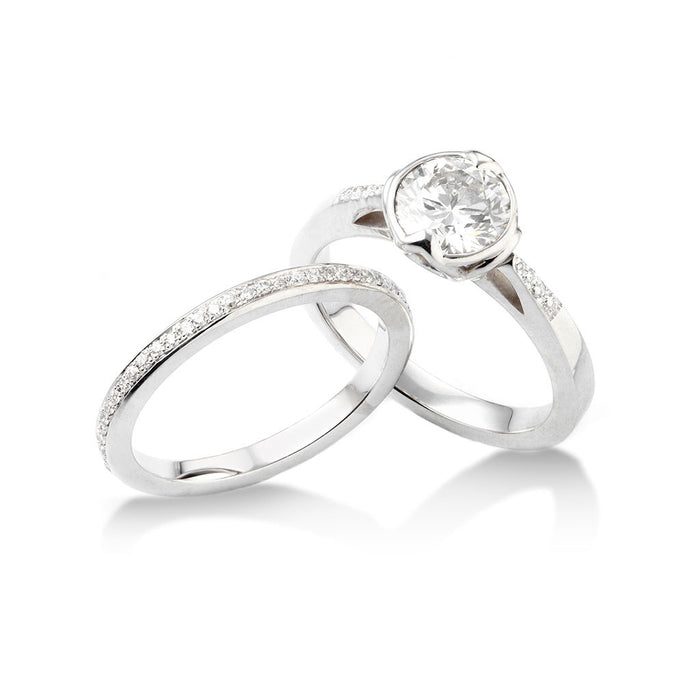
Rings represent an unbroken circle of love and commitment, making them one of the most important aspects of the ceremony. If the rings are dropped during the ceremony, it’s believed to shake out evil spirits. However, in some cultures, it is considered an omen that the marriage will be full of difficulties. To counter this, some couples may ask the best man to secure the rings tightly.
In ancient times, it was widely believed that evil spirits were always lurking, looking for ways to disrupt happiness and bring misfortune to people, especially during significant life events like weddings. The wedding ceremony, being a sacred and joyous occasion, was thought to attract these spirits who might try to curse the couple’s union.
The act of dropping the rings was believed to shake off any evil spirits that might have attached themselves to the couple or the rings. In this sense, dropping the rings was a way to protect the marriage by purging any negative influences. The superstition suggests that if the rings are dropped, they absorb the bad luck or evil spirits, thus preventing them from affecting the couple directly.
Another aspect of the superstition is the idea that when something falls to the ground, it is being returned to the earth, which is considered sacred in many cultures. The earth, as a grounding force, was believed to purify objects that came into contact with it. Therefore, if the rings were dropped, they were touching the earth and were, in a sense, cleansed of any negative energy before being placed on the fingers of the bride and groom.
In some cultures, the dropping of the rings was seen as a test of the couple’s resolve and commitment to each other. The superstition held that if the couple reacted calmly and retrieved the rings without distress, it was a sign that they would handle future challenges in their marriage with the same level-headedness and resilience.
Breaking Glass
In Jewish weddings, it is traditional for the groom to break a glass underfoot at the end of the ceremony. This act has multiple interpretations but regardless of its meaning, it is believed to bring good luck to the couple.
The tradition of breaking a glass at Jewish weddings is connected to the destruction of the Second Temple in Jerusalem in 70 CE — one of the most sacred places in Judaism, and its destruction was a profound loss.
Breaking the glass at weddings now serve as a reminder that even in moments of great joy, there is still sorrow and loss in the world.
Another interpretation of the broken glass is that it represents the fragility of human relationships. Just as glass can shatter, so too can love and marriage be delicate and easily damaged. The sound of the breaking glass serves as a reminder to the couple to care for their relationship, to nurture it, and to protect it from harm.
In some interpretations, the breaking of the glass is seen as a symbol of the end of one phase of life and the beginning of another. The shattering of the glass marks the end of the couple’s individual lives and the start of their life together as a married couple.
In ancient times, the sound of breaking glass was believed to ward off evil spirits. It was thought that loud noises could scare away negative forces that might be lurking nearby, seeking to bring harm or bad luck to the newlyweds. By breaking the glass, the couple would ensure that these spirits were driven away, allowing them to start their marriage with good energy.
The Wedding Cake
The wedding cake is more than just a sweet treat; it carries its own set of superstitions. The tradition of wedding cakes dates back to ancient Rome, where a simple cake of wheat or barley was broken over the bride’s head as a symbol of fertility and good fortune. This custom evolved over time, with the Romans using cakes in marriage ceremonies to represent abundance and prosperity.
In medieval England, the tradition took on a new form. Guests would bring small cakes to the wedding and stack them in a pile, and if the bride and groom could kiss over the pile without knocking it over, it was considered a sign of good luck. This practice is thought to have influenced the modern multi-tiered wedding cake.
The concept of the white, elaborately decorated wedding cake emerged during the Victorian era, with Queen Victoria and Prince Albert’s wedding in 1840 playing a significant role in popularizing it. White icing, also known as royal icing, was a symbol of purity and wealth, as refined sugar was expensive.
In Victorian times, it was common for the top tier of the wedding cake to be a fruitcake, which has a long shelf life due to its high alcohol content. The idea was that the couple would save this tier to use as a christening cake for their first child, which was often expected to occur within the first year of marriage. This practice symbolized continuity and the hope for future children.
Of course in modern times, fewer couples have children so quickly. Today, the tradition of saving (by keeping in the freezer) and eating the cake after one year also symbolizes the enduring nature of the marriage. The cake, like the marriage, is intended to withstand the passage of time and remain sweet and strong.

Throwing Rice
The tradition of throwing rice at weddings has its roots in ancient fertility rituals. In agricultural societies, rice was a symbol of fertility, abundance, and prosperity. Since rice was a staple crop in many cultures, it was closely associated with life and sustenance.
It was common to bless newlyweds with symbols of fertility to ensure that their union would be fruitful. The rice was believed to carry the hopes and blessings of the community, showering the couple with good fortune as they began their married life together.
In many cultures, seeds and grains are seen as powerful symbols of life and growth. The act of throwing rice, or other grains like wheat, barley, or oats, can be traced back to the belief that these seeds carried the potential for new life. By casting these seeds upon the newlyweds, the community symbolically planted the seeds of their future, hoping they would grow and thrive.
This tradition wasn’t limited to rice; in different parts of the world, other grains or seeds were used based on what was most significant or readily available in that region. The essential idea was always the same: to bless the couple with the growth, prosperity, and fertility represented by the seeds.

Avoiding the Color Yellow
Traditional wedding attire, particularly in Western cultures, often emphasizes the bride’s purity and innocence. White has become the dominant color for wedding dresses due to its association with purity, simplicity, and new beginnings. Yellow, on the other hand, has not historically carried the same connotations of purity and might be seen as too bold or flashy for such a solemn and sacred occasion.
In some cultures, brides avoid wearing yellow on their wedding day. Yellow is considered a symbol of jealousy, and wearing it might invite negativity into the marriage. Instead, brides opt for colors that symbolize purity, happiness, and prosperity.
The color yellow has had varying symbolic meanings across cultures and historical periods. In some societies, yellow is linked to positive qualities like warmth, light, and happiness. However, it has also been associated with more negative connotations, particularly in European and Western contexts.
- Jealousy and Deceit: In some Western traditions, yellow has been associated with jealousy and deceit. The phrase “green with envy” is more commonly known, but yellow has also been used historically to symbolize betrayal or infidelity. In medieval Europe, the color yellow was sometimes used to mark traitors or criminals, which contributed to its negative associations.
- Caution and Cowardice: Yellow is also the color of caution and warning. This association with caution or cowardice might have led to the belief that wearing yellow on a wedding day could signal hesitancy or insecurity in the marriage, or even invite caution and problems into the union.
- Mourning and Sickness: In certain cultures, yellow is linked to illness or decay. For example, in some Asian cultures, yellow was historically associated with death or mourning. This connection with sickness or death may have influenced the superstition that yellow could bring bad luck to a bride on her wedding day.
Despite the superstition, it’s important to note that yellow is considered a lucky and auspicious color in some cultures. For example, in Hindu and Buddhist traditions, yellow represents knowledge, learning, and happiness. In these cultures, yellow might be worn at weddings or other celebrations to symbolize joy and good fortune.
In Chinese culture, yellow has traditionally been associated with royalty and power. However, even in these contexts, the specific cultural meanings and historical usage of yellow can vary, and the colour might not always be considered appropriate for a bride’s attire.
*Lead Photo by Marius Muresan on Unsplash